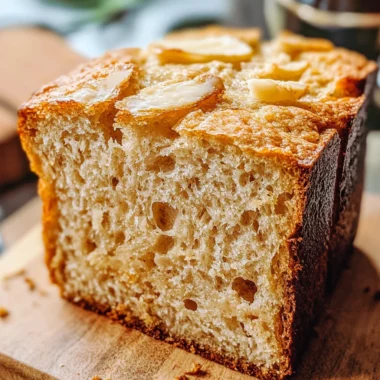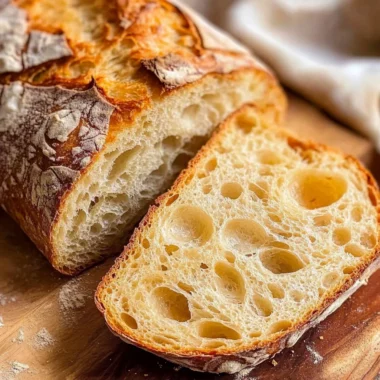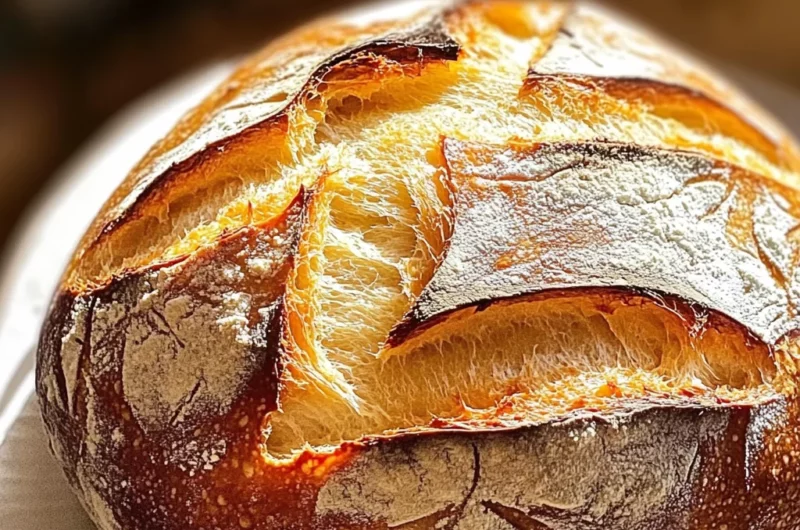
A Rustic German Bread is a delightful addition to any meal. Its chewy texture and rich flavor make it perfect for pairing with soups, stews, or simply enjoying with butter and jam. This bread is not only easy to make but also versatile enough for various occasions, from family dinners to festive gatherings.
Why You’ll Love This Recipe
- Easy to Follow: The recipe uses simple ingredients and straightforward steps, making it accessible even for novice bakers.
- Versatile Pairing: This rustic bread complements many dishes, enhancing the flavors of soups and stews or serving as a base for sandwiches.
- Freshly Baked Goodness: Enjoy the aroma of freshly baked bread wafting through your home, creating a warm and inviting atmosphere.
- Nutritious Option: Made with basic ingredients, you can control what goes into your bread, ensuring a wholesome choice for your family.
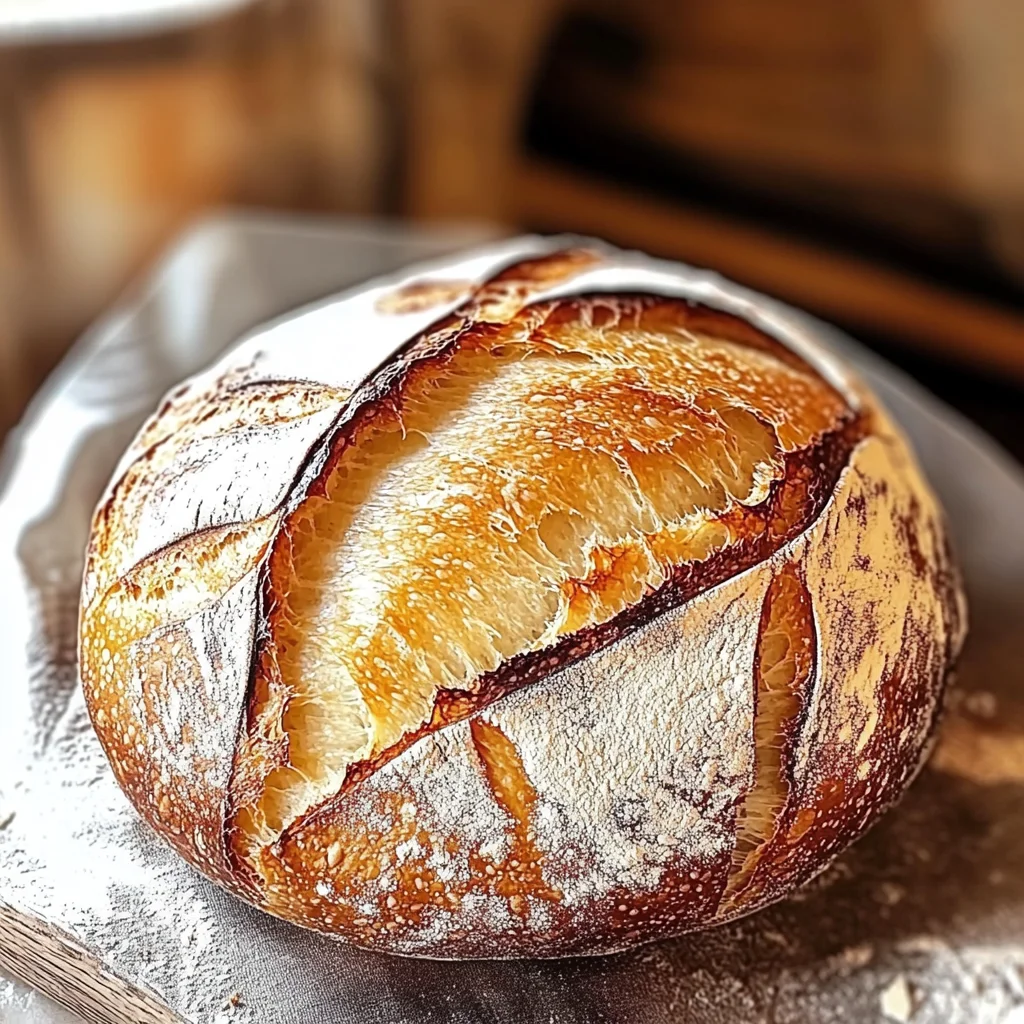
- Impressive Presentation: The decorative slashes on top create an eye-catching loaf that looks as good as it tastes.
Tools and Preparation
Before diving into making your Rustic German Bread, gather the necessary tools. Having everything ready makes the process smoother and more enjoyable.
Essential Tools and Equipment
- Mixing bowl
- Measuring cups
- Measuring spoons
- Baking tray
- Parchment paper
- Rolling pin (optional)
- Wire rack
Importance of Each Tool
- Mixing bowl: A large mixing bowl is essential for combining all ingredients without spilling.
- Baking tray: A good-quality baking tray ensures even cooking and helps achieve that perfect golden crust.
- Wire rack: Cooling your bread on a wire rack prevents sogginess and maintains its chewy texture.
Ingredients
A homemade German bread with a rustic, chewy texture and rich flavor. Perfect for pairing with soups, stews, or enjoying with butter and jam.
For the Dough
- 350 ml water (room temperature)
- 1 tablespoon sugar
- 8 grams dry yeast
- 25 ml sunflower oil
- 500 grams flour (plus extra for dusting)
How to Make Rustic German Bread
Step 1: Prepare the Yeast Mixture
In a large bowl, pour 350 ml of water, add 1 tablespoon of sugar and 8 grams of dry yeast. Stir until dissolved, cover, and let sit for 5 minutes until frothy.
Step 2: Combine Ingredients
Add 25 ml of sunflower oil to the yeast mixture. Gradually sift in 500 grams of flour while stirring to combine until a sticky dough forms.
Step 3: First Rise
Cover the dough and let it rise in a warm area for 1 hour or until doubled in size.
Step 4: Develop Gluten
Stir the dough gently to release air. Cover again and let it rest for another 30 minutes to develop gluten.
Step 5: Shape the Dough
Lightly flour a surface. Roll the dough into a rectangle, fold it over itself, then let it rest for 10 minutes. Shape it into a loaf, boule, or rolls according to your preference.
Step 6: Preheat Oven & Prepare for Baking
Place the shaped dough onto a lined baking tray. Make decorative slashes on top with a knife. Preheat your oven to 230°C (446°F).
Step 7: Bake the Bread
Bake for 30-40 minutes until golden brown. Once baked, remove from oven and cool on a wire rack before enjoying warm or at room temperature.
How to Serve Rustic German Bread
Rustic German Bread is versatile and can elevate any meal. Whether you enjoy it fresh from the oven or toasted, there are countless ways to serve this delightful bread.
With Soups
- Hearty Vegetable Soup: The chewy texture of rustic bread complements the rich flavors of vegetable soup perfectly.
- Creamy Mushroom Soup: Use slices to soak up the creamy goodness, enhancing each bite.
As Sandwiches
- Classic Ham and Cheese: Layer thinly sliced ham and your favorite cheese for a quick but delicious sandwich.
- Vegetarian Delight: Fill with roasted vegetables and a spread like hummus for a tasty meat-free option.
With Spreads
- Butter and Jam: A simple yet delightful pairing that brings out the rustic flavor of the bread.
- Garlic Herb Butter: Spread on warm slices for an aromatic treat perfect for any occasion.
As a Snack
- Cheese Platter: Serve with a selection of cheeses, olives, and nuts for an elegant appetizer.
- Bruschetta Style: Top with diced tomatoes, basil, and olive oil for a fresh twist.
How to Perfect Rustic German Bread
To achieve the best results with your Rustic German Bread, follow these essential tips.
- Use Fresh Yeast: Ensure your yeast is active for optimal rising.
- Knead Properly: Kneading develops gluten, giving your bread its chewy texture.
- Check Dough Temperature: Keeping dough at room temperature helps it rise effectively.
- Allow Adequate Rise Time: Be patient; letting the dough rise properly enhances flavor and texture.
- Preheat Your Oven: A hot oven creates a beautiful crust when baking your bread.
- Store Correctly: Keep leftover bread in a paper bag to maintain its rustic charm.
Best Side Dishes for Rustic German Bread
Pairing side dishes with Rustic German Bread can enhance your meal experience. Here are some delightful options to consider:
- Beef Stew: A rich stew that complements the hearty flavors of the bread perfectly.
- Sauerkraut Salad: A tangy side that adds crunch and balances out the bread’s richness.
- Roasted Root Vegetables: Sweet and savory roasted veggies make for a colorful plate alongside your bread.
- Potato Salad: A creamy potato salad provides a satisfying contrast against rustic textures.
- Grilled Sausages: Juicy sausages pair well with slices of this flavorful bread for a hearty meal.
- Spinach Quiche: A slice of quiche brings an elegant touch to any table setting alongside rustic bread.
Common Mistakes to Avoid
Making Rustic German Bread can be rewarding, but it’s easy to make mistakes. Here are some common pitfalls to watch for.
- Incorrect water temperature: Using water that is too hot or too cold can kill the yeast. Aim for room temperature water to ensure proper activation.
- Not measuring ingredients accurately: Baking is a science, so precise measurements are crucial. Use a kitchen scale for the flour and other ingredients for best results.
- Skipping the rising time: Allowing the dough to rise is essential for developing flavor and texture. Don’t rush this process; give it at least an hour in a warm environment.
- Overworking the dough: While mixing is important, over-kneading can lead to a dense bread. Mix until just combined and then let it rest.
- Ignoring oven temperature: Preheating your oven ensures even baking. Always preheat before placing your bread inside for optimal results.
Refrigerator Storage
- Store Rustic German Bread in an airtight container or wrap it tightly in plastic wrap.
- It can last up to 3-4 days in the refrigerator without losing much moisture.
Freezing Rustic German Bread
- Wrap the bread tightly in aluminum foil or plastic wrap before placing it in a freezer bag.
- Frozen Rustic German Bread can last up to 3 months without significant loss of quality.
Reheating Rustic German Bread
- Oven: Preheat your oven to 180°C (350°F) and heat for about 10-15 minutes. This keeps the crust crispy.
- Microwave: Wrap slices in a damp paper towel and microwave for 10-15 seconds for quick reheating, but this may soften the crust.
- Stovetop: Place slices on a skillet over low heat for a few minutes on each side to warm them up while keeping some crispiness.
Frequently Asked Questions
How do I make Rustic German Bread gluten-free?
You can substitute traditional flour with a gluten-free blend that includes xanthan gum. Adjust water as necessary because gluten-free flours absorb liquids differently.
What should I serve with Rustic German Bread?
Rustic German Bread pairs well with soups, stews, or simply with butter and jam. Its chewy texture complements many dishes beautifully.
Can I add ingredients to my Rustic German Bread?
Absolutely! You can customize your loaf by adding herbs, seeds, or even dried fruits to enhance flavor and texture.
How long does it take to make Rustic German Bread?
From start to finish, including rising time, expect about 2-3 hours. Most of this time is passive while the dough rises!
Final Thoughts
Rustic German Bread is not only delicious but also versatile. Whether you enjoy it fresh out of the oven or toasted with toppings, it’s sure to please. Feel free to experiment with different flavors and additions!
Rustic German Bread
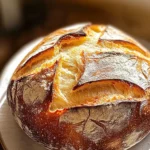
Rustic German Bread is a wholesome and hearty addition to any meal, boasting a chewy texture and rich flavor. This easy-to-follow recipe makes it perfect for both novice and experienced bakers alike. Enjoy it fresh from the oven with butter and jam, or pair it with soups and stews to enhance your dining experience. The delightful aroma of freshly baked bread will fill your home, creating a warm atmosphere. With its impressive appearance and simple ingredients, this rustic loaf is versatile enough for family dinners, festive gatherings, or casual snacking.
- Prep Time: 15 minutes
- Cook Time: 35 minutes
- Total Time: 50 minutes
- Yield: About 12 servings 1x
- Category: Bread
- Method: Baking
- Cuisine: German
Ingredients
- 350 ml water (room temperature)
- 1 tablespoon sugar
- 8 grams dry yeast
- 25 ml sunflower oil
- 500 grams flour (plus extra for dusting)
Instructions
- In a large bowl, combine water, sugar, and dry yeast. Stir until dissolved and let sit for 5 minutes until frothy.
- Add sunflower oil to the yeast mixture. Gradually sift in flour while stirring until a sticky dough forms.
- Cover the dough and let it rise in a warm place for 1 hour or until doubled in size.
- Gently stir the dough to release air, cover again, and let rest for another 30 minutes.
- Lightly flour a surface; roll the dough into a rectangle, fold it over itself, then shape into a loaf.
- Place on a lined baking tray; make decorative slashes on top. Preheat the oven to 230°C (446°F).
- Bake for 30-40 minutes until golden brown; cool on a wire rack before serving.
Nutrition
- Serving Size: 1 slice (50g)
- Calories: 130
- Sugar: 0.5g
- Sodium: 0mg
- Fat: 2g
- Saturated Fat: 0.3g
- Unsaturated Fat: 1.7g
- Trans Fat: 0g
- Carbohydrates: 24g
- Fiber: 1g
- Protein: 4g
- Cholesterol: 0mg